
Pho and Korean barbecue may come from different culinary traditions, but their flavors blend beautifully in this comforting Korean Keto Pho. The aromatic broth draws inspiration from Vietnamese pho with toasted star anise, cinnamon, cloves, ginger, onion, and beef broth. Korean ingredients add an entirely new personality through sesame oil, coconut aminos, gochugaru, tender marinated beef, and optional kimchi.
Traditional pho is made with rice noodles, which can quickly raise the carbohydrate count. This keto interpretation uses shirataki noodles, which are made primarily from glucomannan fiber and contain very few digestible carbohydrates. Nutrition varies by brand, but many shirataki products contain approximately 3–5 grams of total carbohydrate per serving, with most of that coming from fiber.
The result is a spicy, savory, aromatic bowl that delivers the satisfaction of noodle soup without the carb-heavy rice noodles or sugar commonly found in bottled bulgogi sauces. It is ideal for cold evenings, weekend meals, or anyone who wants to explore international keto cooking.
Why This Recipe Works for Keto
Traditional pho is generally built around broth, meat, herbs, vegetables, and rice noodles. The rice noodles provide most of the carbohydrates.
This keto version replaces them with shirataki noodles, which contain glucomannan fiber and very few digestible carbohydrates.
The recipe also avoids traditional sweetened bulgogi sauce. Instead, the marinade uses coconut aminos and a keto-compatible sweetener to reproduce the familiar sweet, savory, garlicky flavor with substantially less sugar.
Protein and fat from the beef help make the soup more satisfying, while herbs, bean sprouts, radishes, kimchi, and spices provide flavor, texture, and freshness without adding large amounts of carbohydrates.
Flavor Profile
This recipe combines several layers of flavor:
Savory: Beef broth, fish sauce and coconut aminos
Aromatic: Star anise, cinnamon, cloves and coriander
Spicy: Gochugaru and fresh jalapeño
Tangy: Lime juice, vinegar and kimchi
Nutty: Toasted sesame oil and sesame seeds
Fresh: Cilantro, basil, green onions and sprouts
Slightly sweet: A small amount of keto sweetener
Health and Nutritional Benefits
Beef
Beef provides complete protein, iron, zinc, selenium, vitamin B12, and other B vitamins. Choosing a moderately marbled cut helps create tenderness and provides enough fat to make the meal satisfying.
Bone Broth
Beef bone broth adds body and savory flavor. Nutritional content varies considerably between homemade and commercial products, so check labels for protein, sodium, added sugar, and carbohydrate content.
Shirataki Noodles
Shirataki noodles are primarily made from water and glucomannan, a soluble fiber derived from konjac. They are extremely low in calories and digestible carbohydrates, although exact nutrition varies by brand.
Ginger and Garlic
Fresh ginger and garlic create depth without relying on sugar-heavy bottled sauces. Both have long histories of use in East Asian cooking.
Kimchi
Kimchi adds acidity, spice, crunch, and fermented flavor. Some brands include added sugar, rice flour, or sweet fruit, so the ingredient list should be checked when maintaining strict keto macros.
Fresh Herbs
Cilantro, basil, mint, and green onions brighten the rich broth. Pho is known for the contrast between hot savory broth and generous fresh garnishes.
Recipe History and Cultural Inspiration
Pho is a Vietnamese noodle soup that developed in northern Vietnam during the early 20th century. It traditionally combines an aromatic meat broth, rice noodles, meat, herbs, and seasonings. Different regional versions later developed as the dish spread throughout Vietnam and around the world.
This recipe is not a traditional form of Korean pho. Instead, it is an intentional Korean-Vietnamese fusion dish.
The Vietnamese-inspired foundation includes:
Toasted star anise
Cinnamon
Cloves
Coriander
Charred onion and ginger
Beef broth
Fresh herbs
Lime
Noodles
The Korean-inspired elements include:
Bulgogi-style marinated beef
Gochugaru
Toasted sesame oil
Kimchi
Sesame seeds
Coconut aminos used in place of a sweeter soy-based bulgogi sauce
Food traditions continue to evolve as cooks combine techniques and ingredients from different cultures. This recipe respects pho’s Vietnamese origin while clearly identifying its Korean additions and keto modifications.
What Is Gochugaru?
Gochugaru is Korean red pepper powder or flakes. Its heat level varies, but it generally offers a fruity, warm, moderately spicy flavor rather than only sharp heat.
For this recipe, gochugaru is used in both the beef marinade and broth. Begin with the recommended quantity and add more at the table for a hotter soup.
Gochugaru should not be confused with gochujang. Gochujang is a fermented red pepper paste that frequently contains rice and added sweeteners, which can make it higher in carbohydrates.
Serving Suggestions
Serve Korean Keto Pho with:
Cucumber sesame salad
Sugar-free kimchi
Korean-style pickled radishes made with keto sweetener
Sautéed bok choy
Roasted mushrooms
Cauliflower rice kimchi fried rice
Korean cucumber salad
Lettuce wraps
Soft-boiled eggs
Steamed edamame in moderation
The soup is substantial enough to serve alone, especially when each bowl contains a generous portion of beef.
Noodle Alternatives
Replace shirataki noodles with:
Hearts-of-palm noodles
Zucchini noodles
Cabbage ribbons
Kelp noodles
Enoki mushrooms
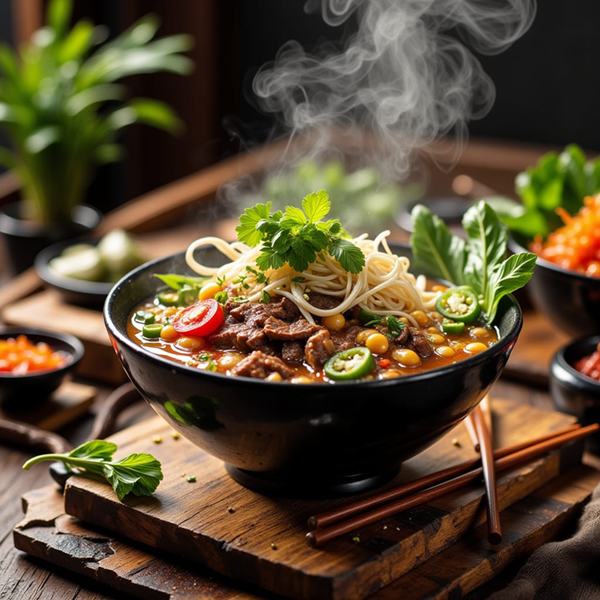
The Best Korean-Vietnamese Keto Pho Recipe
Description
Ingredients
For the Bulgogi-Style Beef:
1½ pounds ribeye, sirloin or flank steak, sliced very thinly
3 tablespoons coconut aminos
1 tablespoon toasted sesame oil
1 tablespoon rice vinegar, unsweetened
1 teaspoon allulose or monk fruit sweetener
2 garlic cloves, minced
1 teaspoon freshly grated ginger
½ teaspoon gochugaru, or more to taste
¼ teaspoon black pepper
1 tablespoon avocado oil, for cooking
For the Pho-Inspired Broth:
8 cups beef bone broth or high-quality beef broth
1 medium yellow onion, halved
3-inch piece fresh ginger, sliced lengthwise
3 whole star anise
1 cinnamon stick
4 whole cloves
1 teaspoon coriander seeds
2 garlic cloves, lightly crushed
2 tablespoons coconut aminos
1 tablespoon fish sauce
1 teaspoon gochugaru
½ teaspoon sea salt, plus more as needed
1 teaspoon allulose or monk fruit sweetener, optional
1 tablespoon fresh lime juice
1 teaspoon toasted sesame oil
For the Noodles:
2 packages shirataki noodles, approximately 14 ounces total
Water for rinsing
Fresh Toppings:
1 cup bean sprouts
½ cup thinly sliced green onions
½ cup fresh cilantro leaves
½ cup fresh Thai basil or regular basil
½ cup thinly sliced radishes
1 fresh jalapeño, thinly sliced
½ cup sugar-free kimchi, chopped
1 lime, cut into wedges
2 teaspoons toasted sesame seeds
Additional gochugaru, optional
Optional Garnishes:
Soft-boiled eggs
Chili crisp without added sugar
Thinly sliced cucumber
Fresh mint
Sliced mushrooms
Crushed dried seaweed
Extra sesame oil
Marinate the Beef
Place the thinly sliced beef in a bowl.
Add the coconut aminos, sesame oil, rice vinegar, sweetener, garlic, ginger, gochugaru, and black pepper. Toss until the beef is evenly coated.
Cover and refrigerate for at least 30 minutes. The beef can be marinated for up to four hours for a stronger flavor.
Char the Onion and Ginger
Heat a dry Dutch oven or heavy soup pot over medium-high heat.
Place the onion halves cut-side down in the pot. Add the sliced ginger.
Cook for 4–6 minutes, turning occasionally, until the surfaces develop dark golden or lightly charred areas. This adds depth and a subtle roasted flavor to the broth.
Remove the onion and ginger temporarily.
Toast the Whole Spices
Reduce the heat to medium.
Add the star anise, cinnamon stick, cloves, and coriander seeds to the dry pot.
Toast for 60–90 seconds, stirring constantly, until fragrant. Do not allow the spices to burn.
Build the Broth
Pour the beef broth into the pot.
Return the charred onion and ginger, then add the crushed garlic, coconut aminos, fish sauce, gochugaru, salt, and optional sweetener.
Bring the broth just to a boil. Reduce the heat, partially cover, and simmer gently for 30–35 minutes.
Prepare the Shirataki Noodles
Drain the shirataki noodles into a colander and rinse them thoroughly under cold running water for 1–2 minutes.
Transfer the noodles to a dry skillet over medium heat.
Cook for 5–7 minutes, stirring regularly, until much of their moisture evaporates. Dry cooking improves their texture and helps them absorb the broth.
Divide the prepared noodles among four large serving bowls.
Cook the Bulgogi Beef
Heat one tablespoon avocado oil in a large skillet over medium-high heat.
Remove the beef from the marinade and add it to the hot skillet in a single layer. Cook in two batches when necessary to prevent steaming.
Sear for approximately 1–2 minutes per side, or until browned but still tender.
Transfer the cooked beef to a plate.
Finish the Broth
Strain the broth through a fine-mesh strainer, discarding the onion, ginger, garlic, and whole spices.
Return the strained broth to the pot.
Stir in the lime juice and one teaspoon toasted sesame oil. Taste and adjust with additional salt, fish sauce, coconut aminos, or gochugaru.
Assemble the Korean Keto Pho
Divide the cooked bulgogi beef among the bowls of shirataki noodles.
Ladle the hot broth over the beef and noodles.
Top each bowl with bean sprouts, green onions, cilantro, basil, radishes, jalapeño, kimchi, sesame seeds, and a lime wedge.
Serve immediately while steaming hot.
Estimated Nutritional Information:
Per Serving
Calories: 475
Total Fat: 27 grams
Saturated Fat: 9 grams
Protein: 45 grams
Total Carbohydrates: 11 grams
Dietary Fiber: 5 grams
Net Carbohydrates: 6 grams
Sugar: 3 grams
Sodium: Approximately 1,450 milligrams
Nutritional values are estimates and will vary according to the beef cut, broth, kimchi, coconut aminos, fish sauce, and shirataki noodle brand.
Choose kimchi and coconut aminos carefully because some commercial products contain added sugar.
