After years of cycling through diet after diet, our team sat down to reflect. We talked about the frustrations of hitting plateaus, the constant second-guessing, and the feeling of failure that creeps in when the scale stops moving. Like many, we focused on doing “all the right things”—eating clean, exercising, staying hydrated—but something still felt off.
That’s when we stepped back and asked a deeper question:
What kind of fat are we actually losing—and how does fat loss really work?
Once we explored the different layers of fat in the body, it all started to click. The key wasn’t doing more—it was understanding more. In this article, we’ll break down the science of fat layers, explain why those early pounds drop so fast, and show you how to focus your efforts where it counts most.
Simplify your approach. Narrow your focus. Let’s unlock real, lasting results.
You started strong. In your first two weeks of dieting, you dropped 10–12 pounds. It felt amazing—like your efforts were finally paying off. But now? The scale won’t budge. You’re stuck. Frustrated. Wondering if something’s wrong.
Here’s the truth: your body is doing exactly what it should—you’ve likely burned off water weight and are now beginning the deeper battle against visceral fat, the most dangerous fat in your body.
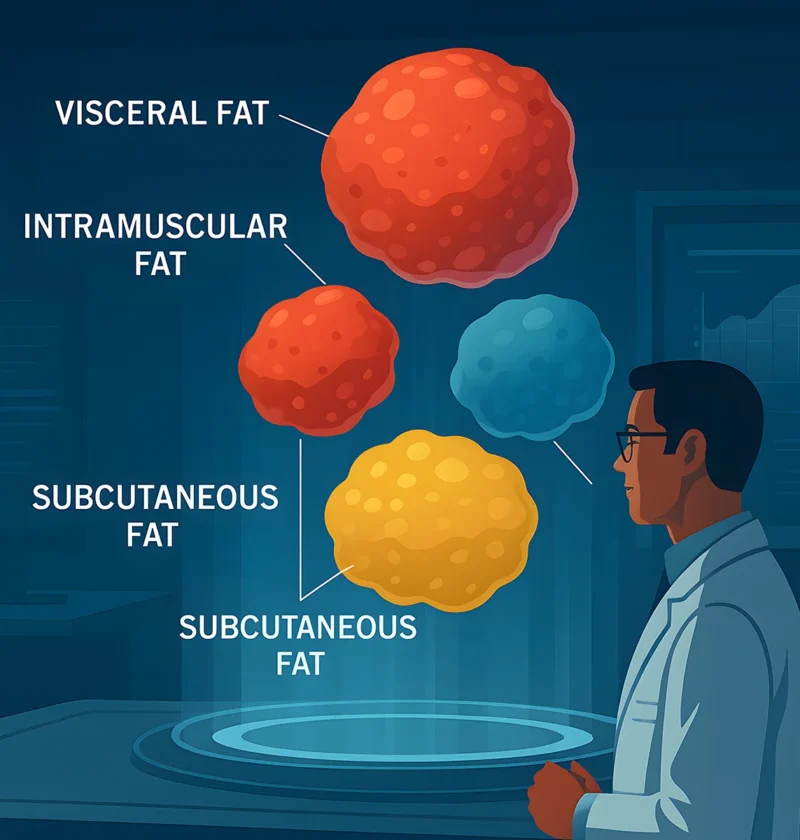
Understanding the Layers of Fat (And Why It Matters)
Before you panic about the plateau, it helps to understand how your body stores and loses fat. Fat isn’t all the same—and your body sheds different types in a specific order.
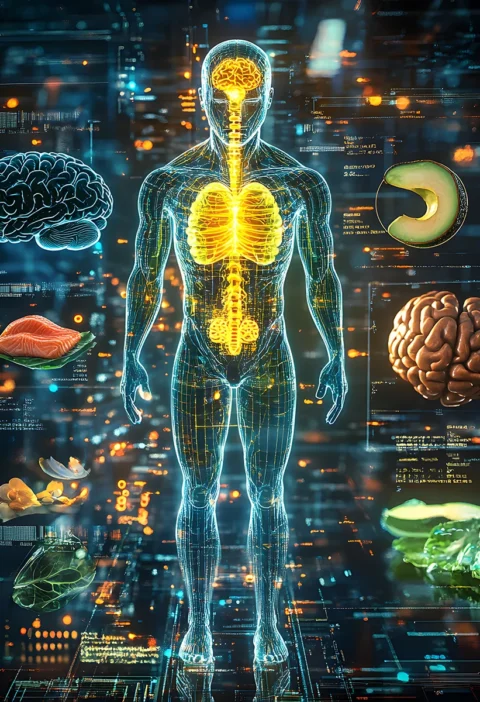
- Visceral Fat (The Hidden Belly Fat)
Location: Around your organs (liver, intestines, kidneys).
Why it matters: This fat is inflammatory, insulin-resistant, and linked to diseases like diabetes, heart disease, and fatty liver.
The good news: Visceral fat responds quickly to healthy changes—keto, fasting, exercise, sleep. - Intramuscular Fat
Location: Within your muscle fibers.
When it goes: Alongside visceral fat—especially when strength training and reducing insulin resistance.
Result: Improved muscle tone and better metabolism. - Subcutaneous Fat
Location: Just under your skin (what you “pinch”).
The catch: This fat is slower to burn, more stubborn, and hormonally resistant.
Often lost last, even when you’re doing everything right.
So What Happens When You Start a Diet?
Week 1–2: You lose water weight from glycogen depletion (carbs hold water).
Week 3–5: Your body begins targeting visceral fat—even if the scale slows down.
Week 6+: Your body adjusts; subcutaneous fat loss becomes slower and more stubborn—this is where many people give up.
Don’t quit. If the scale stalls, your health is still improving under the surface.
How to Keep Burning Fat Where It Counts
- Target Visceral Fat First—Every Day
Focus on foods and habits that shrink visceral fat:
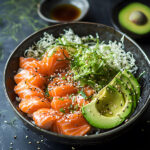
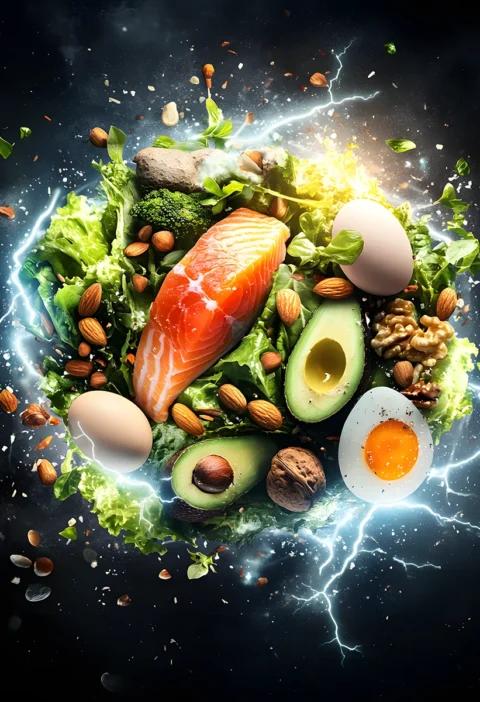
Fatty fish (like salmon) or omega-3s
Leafy greens and cruciferous veggies
Apple cider vinegar, green tea, and intermittent fasting
Strength training to activate fat-burning muscle tissue - Track More Than the Scale
Measure:
Waist circumference (visceral fat loss = smaller waist)
How clothes fit
Body fat % or InBody scans
Energy, digestion, and inflammation levels - Expect Plateaus. Plan for Them.
Plateaus are a sign your body is adapting.
Rotate strategies: tighten your fasting window, try a refeed day, or increase strength training.
Don’t cut calories too low—protect your metabolism.
How Visceral Fat Prevents Overall Fat Loss:
Increases insulin resistance – which makes your body store more fat and blocks fat-burning.
Raises cortisol – promoting fat storage around the belly and internal organs.
Triggers chronic inflammation – which disrupts leptin (satiety hormone) and slows your metabolism.
Alters hormone signals – making it harder to mobilize and burn subcutaneous fat.
In other words, visceral fat acts like a toxic fat factory—it promotes more fat gain and makes fat loss harder until you start shrinking it first.
The #1 Food to Eat Daily to Reduce Visceral Fat:
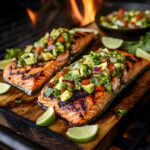
Salmon (or other fatty fish rich in omega-3s)
Why?
Rich in EPA/DHA omega-3 fatty acids, which reduce inflammation and visceral fat accumulation.
Improves insulin sensitivity and lowers triglycerides.
Helps regulate hormones involved in fat metabolism.
Proven in studies: Omega-3s reduce fat around the liver and abdomen.
Aim for 3–4 servings of wild-caught salmon or sardines per week.
Or supplement with 2,000–3,000 mg/day of high-quality omega-3 fish oil.
Bonus Daily Allies:
Leafy greens (kale, spinach) – rich in antioxidants and magnesium.
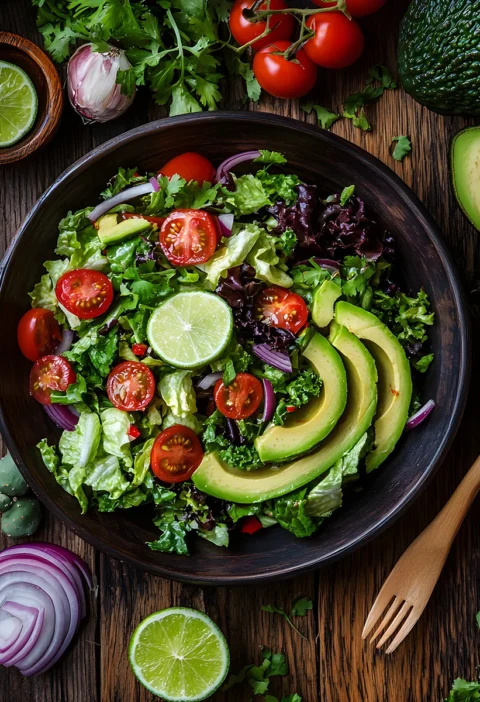
Avocados – high in monounsaturated fat and fiber.
Green tea – catechins boost metabolism and reduce belly fat.
Apple cider vinegar (1 tbsp) – can modestly reduce waistline and improve blood sugar.
Why Does It Seem Uneven?
Because the body uses fat as fuel based on:
Accessibility (visceral is easier to break down)
Blood flow (better circulation = faster mobilization)
Hormonal environment (e.g., cortisol stores fat in belly, estrogen stores it in hips)
7-Day Visceral Fat Reduction Meal Plan
Goal: Focus on 1 key food per day + keto-friendly, anti-inflammatory meals
Day Focus Food Why It Works Suggested Meal or Prep Tip
Monday: Salmon: Rich in omega-3s;
reduces visceral fat & insulin resistance
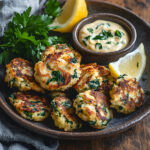
Grilled salmon with olive oil, lemon, and steamed broccoli
Tuesday: Avocado High in fiber and monounsaturated fats;
balances cortisol
Avocado egg salad (use boiled eggs, avocado, mustard) on romaine leaves
Wednesday: Leafy Greens
Magnesium-rich; reduces bloating and inflammation
Spinach and kale sautéed in olive oil with garlic & chicken thighs
Thursday: Green Tea
Contains catechins (EGCG) that target belly fat Drink 2–3 cups daily (unsweetened);
great between meals or before a workout
Friday: Greek Yogurt (unsweetened, full-fat)
Boosts gut health & fat metabolism; high in protein
Greek yogurt bowl with chia seeds, cinnamon, and a few berries
Saturday: Cruciferous Veggies (broccoli, cauliflower, cabbage)
Detoxifies estrogenic compounds;
improves liver fat metabolism
Roasted cauliflower with turmeric & curry seasoning; serve with grilled meat
Sunday: Apple Cider Vinegar
Lowers blood sugar; improves fat oxidation and waistline
1 tbsp in water before meals or in a keto-friendly vinaigrette on salad
Tips for Best Results:
Keep carbs <30g net per day (keto or low-carb).
Pair daily focus foods with lean protein and healthy fats.
Prioritize sleep, hydration, and a 12–16 hr fasting window daily.
Consider supplements like magnesium, berberine, curcumin, or fish oil if not getting enough from food.
Top Supplements That Help Break Down Visceral Fat
- Omega-3 Fatty Acids (EPA/DHA)
Function: Reduces inflammation and liver fat, improves insulin sensitivity.
Best Form: Fish oil (2,000–3,000 mg/day of combined EPA/DHA).
Research: Shown to reduce visceral and liver fat even without weight loss. - Berberine
Function: Acts like natural metformin—lowers blood sugar and improves insulin.
Dosage: 500 mg, 2–3 times daily with meals.
Bonus: Aids fat loss around the midsection, supports gut health. - Green Tea Extract (EGCG)
Function: Boosts fat oxidation and thermogenesis.
Dosage: 300–400 mg EGCG daily or 3 cups of brewed green tea.
Note: Works well with caffeine for enhanced fat-burning. - Conjugated Linoleic Acid (CLA)
Function: May help reduce body fat mass, especially belly fat.
Dosage: 3,000–4,000 mg per day.
Research: Mixed results—works best in conjunction with diet and exercise. - Curcumin (from Turmeric)
Function: Potent anti-inflammatory; improves liver fat markers.
Boost Absorption: Take with black pepper (piperine).
Bonus: Improves joint health and immunity during weight loss. - Magnesium (glycinate or citrate)
Function: Regulates blood sugar, reduces cortisol (stress belly), and aids sleep.
Dosage: 200–400 mg daily.
Tip: Take at night to improve fat-burning sleep cycles.
Teas That Help Target Visceral Fat
- Green Tea
Why: Rich in EGCG and catechins; boosts fat-burning, especially belly fat.
Tip: Drink before meals or workouts. - Oolong Tea
Why: Combines benefits of green and black tea; improves fat oxidation.
When: Mid-morning or early afternoon. - Pu-erh Tea
Why: Aged fermented tea known to reduce visceral fat and cholesterol.
Bonus: Supports gut microbiome and liver detox. - Ginger Tea
Why: Boosts thermogenesis and lowers blood sugar.
Blend With: Lemon and turmeric for added effect. - Lemon Balm or Chamomile (Supportive)
Why: Reduce cortisol, support sleep, calm inflammation.
Best For: Evening routines to fight stress-related belly fat.
Final Thought: Progress Is Deeper Than the Scale
That 10–12 pound drop at the beginning? Mostly water.
The stall that follows? That’s your body doing hard work—burning visceral fat, healing inflammation, restoring balance. You’re not stuck—you’re metabolically shifting.
Keep going. The best fat to lose is the one you can’t see—but it’s the one that saves your life.
FAQ Section
Q: What causes weight loss to stall after the first 10 pounds?
A: After initial water and glycogen loss, the body shifts to burning deeper fat like visceral fat, which can be slower. Plateaus are a natural part of the process.
Q: What is visceral fat and why is it important to lose it?
A: Visceral fat wraps around your internal organs and contributes to inflammation, insulin resistance, and chronic disease. It’s metabolically active and often burned first—but must be actively supported through diet and lifestyle.
Q: How do I burn visceral fat effectively?
A: Combine a low-carb or keto diet, intermittent fasting, omega-3s, green tea, and resistance training. These strategies reduce inflammation and improve insulin sensitivity—key to burning visceral fat.
Q: Can you break a plateau without cutting more calories?
A: Yes. Focus on meal timing (fasting), sleep, stress management, and muscle-building exercises. These stimulate fat loss without needing to drastically lower calories.