Ultimate Low-Carb Seafood Dinner That Transforms Your Body
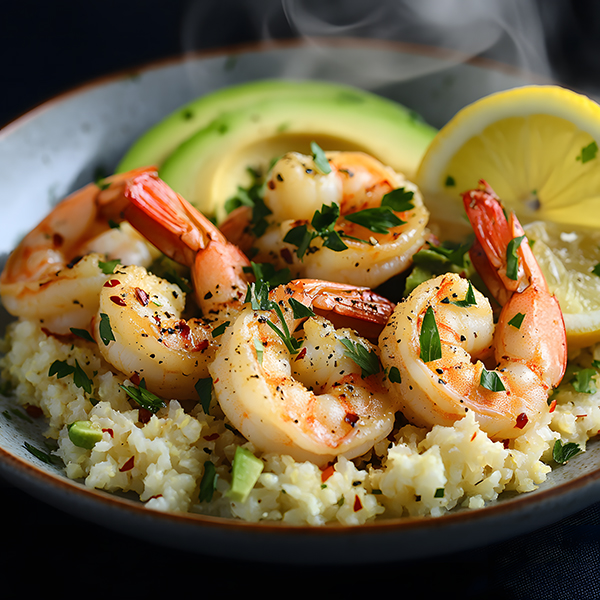
Embark on a culinary journey that satisfies both your taste buds and your wellness goals with this Zesty Lemon Garlic Butter Shrimp with Cauliflower Rice. This vibrant keto-friendly dish combines succulent shrimp with bright citrus notes and rich buttery goodness, all while keeping carbs minimal and healthy fats abundant. Perfect for those embracing a ketogenic lifestyle, this recipe offers maximum flavor with minimal effort, proving that weight management doesn't mean sacrificing delicious, restaurant-quality meals.
History of Lemon, Garlic, and Butter as Culinary Ingredients
The combination of lemon, garlic, and butter has become a beloved flavor profile in cuisines worldwide, but each ingredient has its own fascinating history before they came together in the delicious union we enjoy today.
Butter
Butter is one of humanity's oldest processed foods, with evidence suggesting it dates back to approximately 8000-9000 BCE. The earliest butter-making likely began when humans started domesticating animals for milk.
Ancient origins: The first butter was probably discovered accidentally when milk was carried in animal skin bags on long journeys, with the motion churning milk fat into butter.
Early cultures: Butter appears in ancient Hindu scriptures from around 1500 BCE. It was used in religious ceremonies in ancient India, where ghee (clarified butter) was considered sacred.
European developments: In medieval Europe, butter became a staple food and trade commodity. Regions like Normandy and Brittany in France became famous for their butter production.
Industrial revolution: The 19th century saw the industrialization of butter production, with the introduction of separators and mechanical churns.
Garlic
Garlic (Allium sativum) has been cultivated for over 5,000 years, making it one of the world's oldest cultivated crops.
Ancient origins: Native to Central Asia, garlic was used by ancient Egyptians as early as 3000 BCE, with clay models of garlic bulbs found in tombs.
Medical applications: Throughout ancient civilizations including Egypt, Greece, Rome, China, and India, garlic was primarily valued for its medicinal properties rather than flavor.
Cultural significance: Garlic was given to Egyptian slaves building the pyramids to increase their strength and endurance. Roman soldiers ate garlic before battle.
European adoption: By the Middle Ages, garlic had become a staple in European cuisine, particularly in Mediterranean regions.
Lemon
Lemons (Citrus limon) have a more recent history compared to garlic and butter, but still date back several thousand years.
Ancient origins: Lemons originated in northeastern India, northern Burma, and China. They were unknown to ancient Greeks and Romans.
Arab introduction: Arabs introduced lemons to the Mediterranean region around 700 CE during their conquests.
European spread: By 1494, lemons were being cultivated in the Azores and shipped to England. Christopher Columbus brought lemon seeds to the Americas on his second voyage in 1493.
Medicinal uses: Lemons gained tremendous importance in the 18th century when Scottish physician James Lind discovered that citrus fruits could prevent scurvy, leading to British sailors being issued lemon juice rations.
The Combination of Lemon, Garlic, and Butter
The combination of these three ingredients has no single origin point but evolved in various cuisines:
French cuisine: The French were pioneers in butter-based sauces, with lemon and garlic being incorporated into various classic preparations. Beurre blanc (white butter sauce) often includes lemon, while aioli (garlic mayonnaise) demonstrates the French appreciation for garlic.
Mediterranean influence: Mediterranean cuisines, particularly Italian and Greek, have long combined these flavors in seafood dishes. The abundant access to lemons in the region, combined with the cultural affinity for garlic, made this combination natural.
Modern popularity: The lemon-garlic-butter combination gained widespread popularity in the mid-20th century as global cuisine became more accessible and chefs began experimenting with flavor combinations across cultural boundaries.
The enduring popularity of this flavor combination speaks to its perfect balance - the richness of butter, the pungency of garlic, and the bright acidity of lemon create a harmonious blend that enhances many foods, particularly seafood, vegetables, and poultry.
Ingredients:
1 lb large shrimp, peeled and deveined
3 tbsp grass-fed butter
4 cloves garlic, minced
1 lemon, zested and juiced
1 tsp red pepper flakes
1 head cauliflower, riced
2 tbsp olive oil
1/4 cup fresh parsley, chopped
2 tbsp fresh dill, chopped
1/4 cup green onions, sliced
Salt and pepper to taste
1 avocado, sliced (for serving)
Instructions:
Pat shrimp dry with paper towels and season with salt and pepper.
In a large skillet, heat 1 tbsp olive oil over medium-high heat.
Add shrimp and cook for 1-2 minutes per side until pink and opaque. Remove from pan and set aside.
In the same pan, add butter and minced garlic. Sauté for 30 seconds until fragrant.
Add lemon zest, lemon juice, and red pepper flakes. Stir to combine.
Return shrimp to the pan and toss to coat in the sauce. Remove from heat.
In another pan, heat remaining olive oil over medium heat.
Add cauliflower rice and sauté for 5-7 minutes until tender.
Season with salt and pepper and stir in half the fresh herbs.
Serve shrimp over cauliflower rice, garnished with remaining herbs, green onions, and avocado slices.
Serving Suggestions:
For meal prep: Portion into glass containers and refrigerate for up to 3 days.
Add a side of sliced cucumber with a drizzle of olive oil and sea salt.
Sprinkle with crushed macadamia nuts for extra crunch and healthy fats.
For a complete keto dinner, serve with a side of simple mixed greens dressed with olive oil and lemon juice.
Estimated Cost: $15-18 USD
Nutritional Values (per serving, makes 4 servings):
Calories: 385
Fat: 28g
Protein: 29g
Net Carbs: 5g
Fiber: 6g
Total Carbs: 11g
Sodium: 320mg
Potassium: 590mg
Vitamin A: 15% DV
Vitamin C: 35% DV
Calcium: 8% DV
Iron: 15% DV