The Best Keto Comfort Food: Bacon Cheeseburger Casserole Recipe
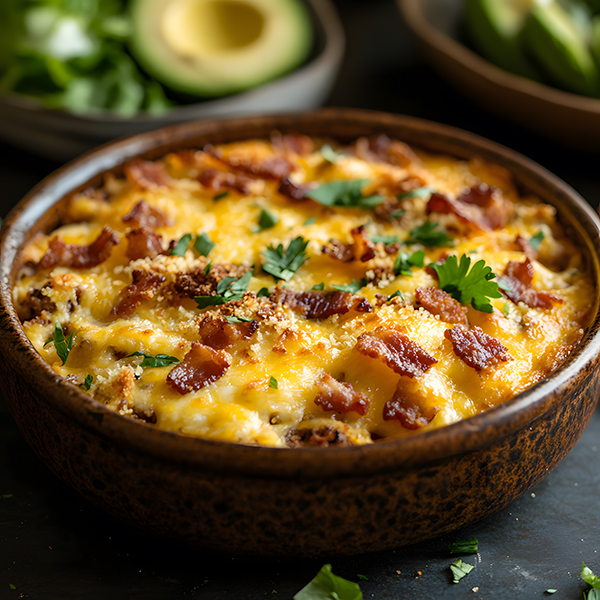
Satisfy your cravings with this keto bacon cheeseburger casserole—a rich combination of ground beef, crispy bacon, and creamy cheese sauce baked to perfection! This low-carb comfort food is ideal for family dinners or meal prep, offering all the flavors of a classic cheeseburger without the bun or extra carbs. With just 4g net carbs per serving, it’s a delicious way to stay on track while indulging guilt-free!
The casserole has a rich history that spans centuries and cultures, evolving from humble beginnings to become a staple in many cuisines around the world.
Early Origins
The concept of combining ingredients in a single cooking vessel dates back to prehistoric times. The word "casserole" itself comes from the French word for "saucepan" (derived from the Old Provençal "cassa" and ultimately from the Greek "kyathos," meaning "cup"). Ancient casseroles were typically earthenware vessels used for slow-cooking over an open fire.
Medieval and Renaissance Period
By the Middle Ages, European casseroles were common among both nobility and peasants, though with different ingredients. Wealthy households might create elaborate casseroles with game meats and exotic spices, while peasant versions relied on available grains, vegetables, and small amounts of meat for flavor.
Industrial Revolution and Modern Evolution
The casserole as we know it today gained prominence in the late 19th and early 20th centuries with several developments:
The introduction of heat-resistant glassware (like Pyrex) in the early 1900s revolutionized casserole cooking.
The Great Depression and World Wars made economical, one-dish meals particularly valuable, popularizing casseroles as a way to stretch ingredients.
In 1940s-1950s America, casseroles became cultural icons during the post-war boom. Food companies promoted condensed soups and other convenience products as casserole ingredients.
The iconic "green bean casserole" was created in 1955 by Campbell's Soup Company employee Dorcas Reilly, exemplifying how commercial interests shaped casserole evolution.
Cultural Significance
Different cultures developed their own versions:
French cassoulet (bean and meat casserole)
British shepherd's pie and Lancashire hotpot
Eastern European kugels
Middle Eastern and North African tagines
American tuna noodle and funeral casseroles
The casserole's enduring popularity stems from its practicality, versatility, and ability to reflect regional ingredients and cultural preferences while providing communal, comforting meals - making it not just a cooking method but a social institution that continues to evolve with changing tastes and lifestyles.
Ingredients:
Meat Layer:
1 lb ground beef (80/20)
6 slices bacon, chopped
1 small onion, diced
2 cloves garlic, minced
2 tbsp sugar-free ketchup
1 tbsp yellow mustard
2 oz cream cheese
Cheese Sauce:
3 large eggs
½ cup heavy cream
1 cup shredded sharp cheddar cheese
1 tsp smoked paprika
Salt and pepper to taste
Topping:
½ cup crushed pork rinds (optional for crunch)
¼ cup grated Parmesan
Instructions:
Cook Bacon & Beef:
Fry chopped bacon in a skillet until crispy. Remove and set aside.
In the same skillet, sauté onion and garlic in the bacon fat until soft. Add ground beef and cook until browned. Stir in ketchup, mustard, and cream cheese until combined. Season with salt and pepper.
Prepare Cheese Sauce:
In a bowl, whisk together eggs, heavy cream, cheddar cheese, smoked paprika, salt, and pepper.
Assemble Casserole:
Preheat oven to 375°F (190°C). Grease a casserole dish.
Spread beef mixture evenly in the dish. Pour cheese sauce over the top. Sprinkle with bacon, crushed pork rinds, and Parmesan.
Bake:
Bake for 20–25 minutes or until the top is golden and bubbly.
Serving Suggestions
Serve with a side of fresh lettuce or spinach for added crunch.
Top with sliced avocado or a dollop of sour cream for extra creaminess.
Meal Prep Tips:
Make ahead: Assemble the casserole without baking and refrigerate for up to 2 days or freeze for up to 1 month. Thaw overnight before baking.
Portion leftovers into meal prep containers for quick lunches throughout the week.
Estimated Cost: ~$4 per serving (serves 6)
Nutrition/Serving (1 of 6 servings):
Calories: ~450 kcal
Fat: ~38g
Protein: ~23g
Net Carbs: ~4g
Fiber: ~0g