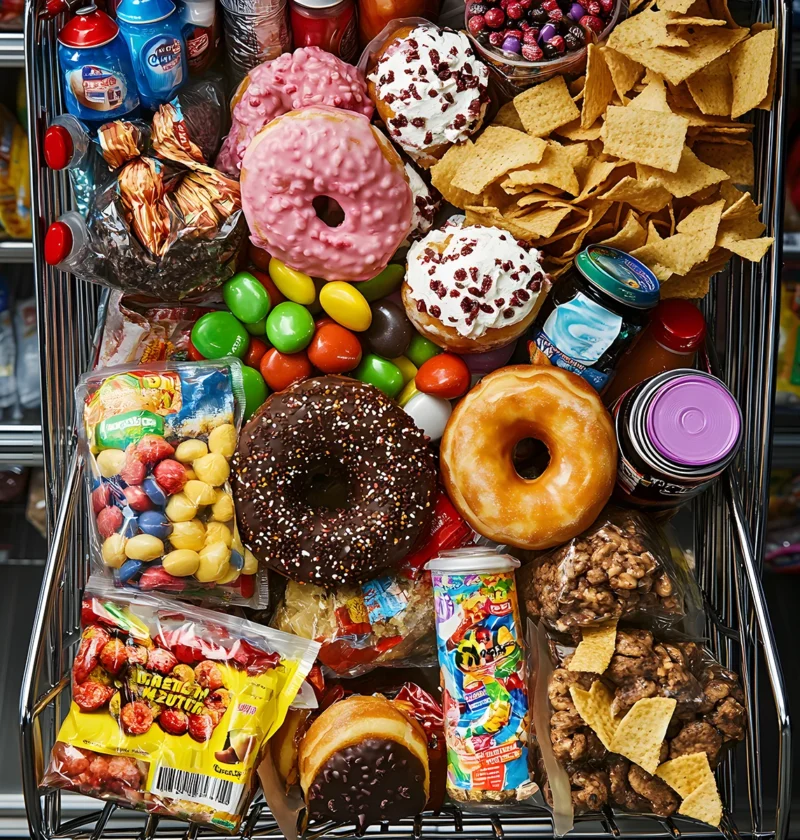
Maintaining a healthy eating lifestyle is about more than just choosing the right foods—it’s also about avoiding the wrong ones. Trigger foods and drinks, particularly processed options and sugary beverages, can sabotage your progress and pull you away from your health goals. Whether you’re on keto, another diet, or maintaining weight loss, understanding these pitfalls can help you stay on track.
What Are Trigger Foods?
Trigger foods are highly processed, addictive, and nutrient-poor options that lead to overeating, cravings, and blood sugar spikes. These foods stimulate the brain’s reward system, causing you to crave more, overconsume, and feel sluggish afterward.
High palatability: Often combining fat, sugar, salt, and/or carbohydrates in ways that light up the brain’s reward centers
Emotional connections: Associated with comfort, celebration, or specific memories
Convenience: Easily accessible and requiring little or no preparation
Hyperprocessed: Engineered to override natural satiety signals
Common Trigger Foods to Avoid
Highly Processed Snacks
• Chips, crackers, and pretzels are loaded with refined carbohydrates and unhealthy oils.
• Even “healthy” veggie chips are often just fried and salted like regular chips.
Sugary and Diet Sodas
• Regular soda is packed with sugar, leading to blood sugar crashes and increased cravings.
• Diet soda contains artificial sweeteners that may increase appetite and lead to overconsumption of other foods.
Fast Food and Processed Meats
• Burgers, hot dogs, and fried chicken are often filled with trans fats, preservatives, and hidden sugars.
• They contribute to inflammation and disrupt your metabolism.
White Bread and Refined Grains
• White bread, pasta, and breakfast cereals spike blood sugar quickly and leave you hungry shortly after.
• They lack fiber and essential nutrients, making them empty-calorie choices.
Packaged Sweets and Desserts
• Cookies, cakes, candy, and ice cream are high in refined sugars that lead to sugar addiction.
• Even sugar-free desserts often contain artificial sweeteners that can trigger cravings.
Alcohol and Sugary Cocktails
• Alcohol lowers inhibitions, making it easy to overeat unhealthy foods.
• Sugary cocktails like margaritas or daiquiris pack hidden calories and sugar.
How These Foods and Drinks Sabotage Your Diet
• They spike insulin and blood sugar levels, leading to crashes and cravings.
• They increase inflammation, which can cause weight gain and slow metabolism.
• They disrupt gut health, making digestion and nutrient absorption less efficient.
• They encourage overeating, making it harder to control portions and hunger cues.
How to Avoid Trigger Foods and Make Healthier Choices
Plan Your Meals and Snacks
• Prep high-protein, high-fiber snacks like nuts, cheese, boiled eggs, and veggies with hummus.
• Keep low-carb and whole food options readily available to avoid reaching for junk food.
Stay Hydrated with the Right Drinks
• Swap soda for sparkling water with lemon or herbal teas.
• Drink plenty of water to curb cravings and prevent overeating.
Read Labels Carefully
• Look for hidden sugars, refined grains, and unhealthy oils in ingredient lists.
• Avoid foods with long ingredient lists filled with additives and preservatives.
Follow the 80/20 Rule
• Aim to eat whole, nutrient-dense foods 80% of the time while allowing occasional treats.
• This helps maintain a balanced, realistic approach to healthy eating.
Listen to Your Body
• If you feel sluggish, bloated, or get strong cravings after eating certain foods, consider eliminating them.
• Keep a food journal to track how different foods affect your energy and cravings.
During Maintenance
“Just a taste” of former restricted foods
Restaurant meals with unknown ingredients
Buffets and all-you-can-eat environments
Celebration foods at social gatherings
The Science Behind Food Triggers
Understanding why certain foods trigger overconsumption can help us develop effective strategies to address them:
Dopamine Response: Highly palatable foods cause a surge of dopamine, creating a reward sensation similar to certain drugs, potentially leading to a cycle of craving and consumption.
Blood Sugar Fluctuations: Foods that cause rapid blood sugar spikes and crashes can trigger hunger and cravings shortly after eating them.
Gut Microbiome Effects: Research suggests our gut bacteria may influence cravings for specific foods based on what “feeds” particular microbial populations.
Habit Loops: Through repeated association, certain foods become embedded in neurological habit loops triggered by specific contexts or emotions.
Identifying Your Personal Trigger Foods
Becoming aware of your own trigger foods is the crucial first step. Consider these approaches:
Food journaling: Track not just what you eat, but your hunger level, mood, and circumstances surrounding meals and snacks
Reflection questions: Ask yourself, “What foods do I find difficult to eat in moderation?” or “What foods do I continue eating even when I’m full?”
Pattern recognition: Look for connections between specific foods and subsequent eating patterns
Physical response awareness: Note which foods leave you feeling energized versus sluggish, satisfied versus craving more
Effective Strategies for Managing Trigger Foods
Environment Management
Pantry audit: Remove or reduce access to your known trigger foods
Strategic shopping: Create detailed shopping lists and avoid grocery shopping when hungry
Restaurant planning: Review menus before dining out and decide on choices in advance
Travel preparation: Pack healthy alternatives when traveling through food-dense environments like airports
Mindset Shifts
Abandon all-or-nothing thinking: Replace “I can never have this” with “I can enjoy this occasionally with awareness”
Develop a growth mindset: View slip-ups as learning opportunities rather than failures
Practice flexible restraint: Allow planned indulgences rather than complete restriction
Focus on addition, not subtraction: Emphasize adding nutritious foods rather than eliminating “bad” ones
Behavioral Techniques
Planned alternatives: Have ready-to-go alternatives that satisfy similar cravings but align with your goals
Mindful eating practices: Slow down, eliminate distractions, and fully engage your senses while eating
Urge surfing: Recognize cravings as temporary sensations that will pass without acting on them
Delay tactics: Institute a 10-minute wait rule before consuming a trigger food
Lifestyle Adjustments
Adequate sleep: Prioritize 7-9 hours of quality sleep to regulate hunger hormones
Stress management: Develop non-food coping mechanisms for stress (walking, meditation, reading)
Regular eating schedule: Prevent extreme hunger that can trigger impulsive food choices
Protein and fiber prioritization: Ensure meals contain sufficient protein and fiber for satiety
Creating a Sustainable Approach to Trigger Foods
Rather than permanent elimination, most nutrition experts now advocate for a balanced approach to trigger foods:
The 80/20 Rule: Focus on nutrient-dense whole foods 80% of the time, allowing flexibility for less optimal choices 20% of the time
Portion Control Strategies – Learn to enjoy smaller amounts of trigger foods by:
Using smaller plates and containers
Pre-portioning indulgences
Sharing desserts or treats with others
Freezing batch-made items in single servings
Mindful Moderation: Transform your relationship with trigger foods by:
Eating them at a table without distractions
Savoring each bite fully
Checking in with your body’s fullness signals
Letting go of guilt if you do indulge
Strategic Timing: Consider when you’re most vulnerable to trigger foods and plan accordingly:
Many find mornings offer the strongest willpower
Post-workout can be an appropriate time for higher-carb treats
Social occasions may warrant planned flexibility
Special Considerations for Different Dietary Approaches – For Keto Maintenance
Consider testing small amounts of former trigger carbs to determine your personal carb threshold
Explore keto-friendly alternatives that satisfy similar cravings
Plan strategic carb cycling if incorporating more carbs occasionally
For Post-Weight Loss Maintenance
Gradually increase calories while maintaining protein intake
Continue monitoring portions of calorie-dense foods
Implement regular “check-in” measurements to catch small regains early
For Intuitive Eating Transitions
Practice gentle nutrition alongside hunger/fullness awareness
Honor your health while also honoring your cravings
Work toward neutrality with formerly “off-limits” foods
When to Seek Professional Support
Sometimes trigger foods can indicate deeper issues that benefit from professional guidance. Consider reaching out if:
Food triggers consistently lead to binge eating episodes
You experience intense guilt or shame around certain foods
Thoughts about food interfere with daily life
Rigid rules around food cause social isolation or anxiety
Registered dietitians, therapists specializing in disordered eating, or health coaches can provide personalized strategies and support.
The Path Forward: Building a Healthy Food Identity
Rather than seeing yourself as perpetually “on” or “off” a diet, work toward building a consistent, flexible approach to nutrition that can accommodate life’s realities while supporting your health goals.
Remember that a truly sustainable approach:
Nourishes your body
Includes foods you genuinely enjoy
Fits your lifestyle and cultural preferences
Allows for social connection and celebration
Evolves as your needs and circumstances change
Final Thoughts
Eliminating or reducing trigger foods doesn’t mean you can never enjoy your favorite treats—it means making smarter choices that align with your long-term health goals. By staying mindful of what you consume and replacing unhealthy options with nutrient-dense alternatives, you can build a sustainable, healthy eating lifestyle that keeps you feeling energized, satisfied, and in control.
Website Disclaimer:
Thank you for visiting our website! Remember, the keto lifestyle is not a race—it’s a marathon toward better health, improved well-being, and a more enjoyable way of eating. While keto may help with weight management and overall wellness, we encourage you to consult with your doctor before making dietary changes. We hope our blog supports your journey, and we’d love to hear your feedback on our articles and recipes!

















mopeyornkpufzihegjyfkorluqywxg
v8n976
ifwivoytkquvgqivtmreojdmxefsny